

What Is a Generator Transfer Switch and Why Do You Need One?
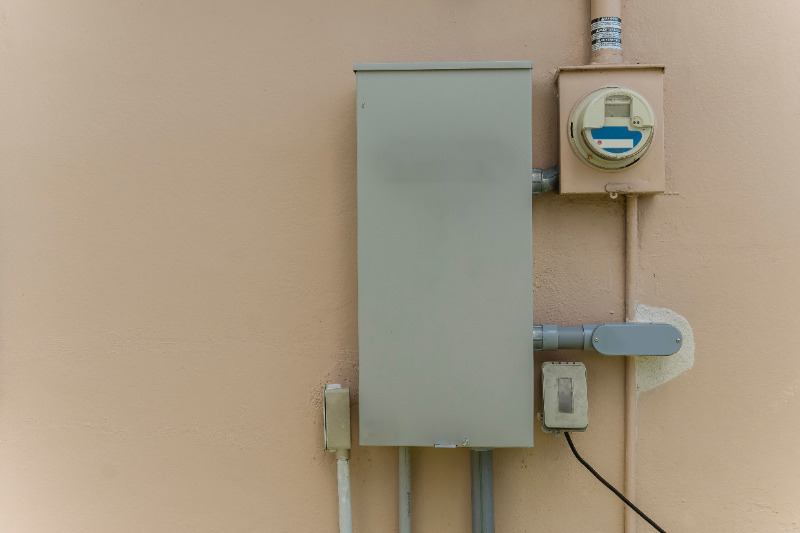
If you are in the market for a standby residential or commercial generator and you’ve been doing some research, you’ve likely come across articles that say you will need a transfer switch for your generator. So what are they, and why are they such an important component of your generator installation and maintenance?
What Is A Generator Transfer Switch?
Put simply, a generator transfer switch allows for a safe switch between two power sources. In essence, a transfer switch operates a bit like a miniature circuit breaker panel. The difference is that it allows you to draw power from your standby generator instead of using the power grid. When you experience an outage, you can then quickly and safely switch your power source. For a standby generator, transfer switches are typically automatic, allowing your generator to kick in within seconds of the outage, keeping your home or business safely powered.
A certified generator technician will install the transfer switch alongside your main circuit breaker panel. They will ensure that all your necessities will be available, even in the event of an outage, with no additional work or trial and error on your part.
Beyond standby residential and commercial generators, property owners who use portable generators, and university campuses and factories that may have their own on-site power plants can also benefit from having a generator transfer switch installed.
Why Are Transfer Switches Necessary?
In one word, safety. Backfeeding, or home-generated power being channeled back through your main electrical connection and to the grid, causes a life-threatening situation for line workers sent out to fix a downed or damaged power line. Backfeeding can also prevent serious safety issues for property owners themselves. Transfer switches eliminate these threats by preventing backfeeding and bypassing your main circuit breaker panel. Instead, this separate mini panel of sorts directs the generated energy to your home, business, or jobsite alone. It forms a closed loop, and electricity cannot reach the grid.
Transfer switches can be manual or automatic. Typically, automatic switches are installed alongside standby generators for a more seamless experience. Manual switches are more often used with portable generators. Transfer switches allow property owners to run both hardwired and plug-in appliances, devices, and fixtures simultaneously and protect appliances against voltage fluctuations and power surges. Transfer switches are also required by the National Electrical Code (NEC) when connecting a generator to a home's electrical system, and their use with a switch is likely mandated by local authorities. Insurance companies also like to know that property owners have followed protocol and have safety measures in place.
How Much Does a Transfer Switch Cost?
That’s an impossible question to answer with 100% accuracy. Prices for the transfer switches themselves can range, based on the specific manufacturer and the capacity of the switch and the generator it will be used with. Manual switches also differ in price from automatic transfer switches. And of course, you aren’t just paying for the generator switch; you will also need to hire a Certified Generator Technician to install the switch, so you’ll have to factor in local rates for this professional service. For a detailed estimate, please contact Generator Pros directly.
Do You Need a Permit to Install a Generator Transfer Switch?
YES,in most areas, you will need to acquire a permit prior to installing a transfer switch for any residential or commercial generators. A final inspection will also be necessary once the switch is installed. This ensures that the work is done correctly and according to current electrical codes. When you work with a licensed electrician, they can typically handle the paperwork for you and include any charges as part of their total service fee.
That said, you can investigate on your own if you prefer. Contacting your local building department or your jurisdiction’s building code enforcement office is the best way to verify that you will need to obtain a permit for transfer switch installation.
Generator Installation and Maintenance from Generator Pros
At Generator Pros, we work exclusively with premier models of GENERAC generators–the very best on the market. In addition to protecting you, your family, your business, and your workforce from power outages and power quality issues, we also ensure safety and compliance with local legal requirements. Generator Pros handles all phases of commercial, industrial, and residential electrical work involved with the installation, maintenance, and repair of standby generators, including installing transfer switches.
If you are considering having a standby generator installed, a generator transfer switch is a must. Contact the expert team at Generator Pros to learn more and request your free project estimate.