

What to Expect During a Generator Installation
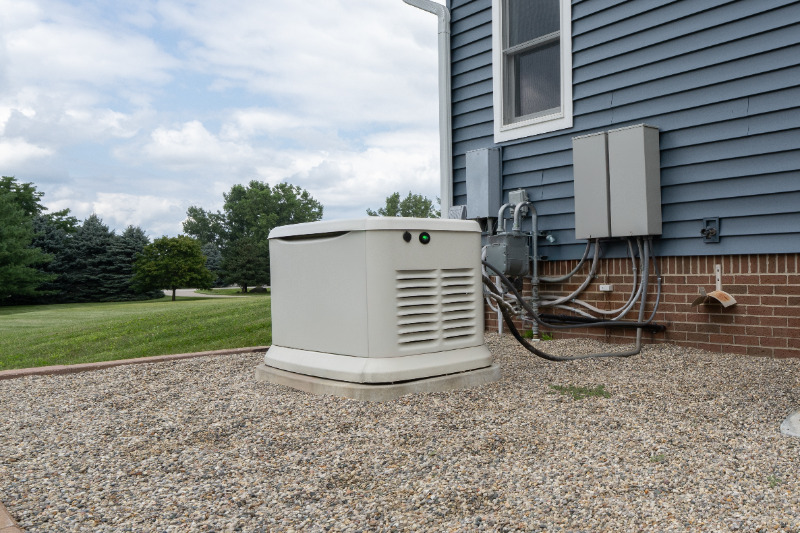
Whatever time of year it is, there’s always a chance that the power may fail and you’ll wish you had a standby generator in place, ready to go. Winter ice and heavy snow, violent summer storms, and intense wind all year long make power outages a regular part of life anymore. But maybe you’re unsure about whether a backup generator is right for you. Check out our FAQ page for answers to common questions that the Generator Pro team regularly fields. If GENERAC generators sound like what you’ve been looking for, read on to learn what to expect when you make the decision to install one at your home or business.
Why Get A Standby Generator?
Installing a backup generator is a top way to prepare your home for reliable backup power in the event of an outage. Standby GENERAC generators provide automatic backup power seconds after the electricity goes down, helping to keep essential residential and commercial systems running.
You may initially think that installing a standby generator is overkill, but with weather extremes reaching dangerous highs and lows in recent years, not having access to heating or cooling could truly be a life threatening situation. If anyone in the home relies on medical devices or mobility assistance equipment, then always having reliable access to electricity is a no-brainer.
A standby generator also ensures that you don’t lose your frozen and fresh food, and that you can carry on with life and work, even while your community may be stuck for days or weeks without access to electricity. For those in areas that rely on wells for their potable water, a generator is the difference between clean water and seriously roughing it in your own home.
The peace of mind that a standby generator can bring is truly incomparable, especially if you have small children or elderly family members in your home. And for businesses, having access to electricity thanks to commercial generators could be the difference between staying afloat or being forced to shut down. There’s a lot to consider, but for an unbiased opinion, check out what our customers think–they’ll testify to how valuable their GENERAC generators are.
Installation Process For GENERAC Generators
If you're considering installing a standby generator, understanding the installation process can help you to prepare and to know what to expect. Knowing what happens before, during, and after a generator installation can make the process smoother and give you confidence that your backup power system is ready when you need it most. While every property is different, most residential generator installations follow a similar series of steps from consultation to final testing.
Initial Consultation and Site Evaluation
Every installation process for GENERAC generators begins with an assessment of your needs. Obviously this will vary based on whether you are interested in installing one of GENERAC’s residential or commercial generators. Either way, during the initial consultation, a Generator Pros technician is likely to do the following:
- Evaluate the existing electrical system
- Determine your backup power needs
- Discuss which appliances and systems you want to power during an outage
- Assess available installation locations
- Review fuel source options (natural gas, propane, or diesel, where applicable)
The goal during your initial consultation and site evaluation is for the technician to get a handle on the generator capacity that will be necessary to power your preferred systems and appliances. Once they have the raw data they need, they can then recommend one of several GENERAC generators that is properly sized for your home or business and that meets any special electrical or fuel-related needs.
Generator Sizing and System Design
Selecting the right size of a range of GENERAC generators is essential. This will ensure that when an outage occurs, there is no difficulty in keeping your home or business running comfortably.
Factors considered for homes may include:
- Square footage of the home
- Number of occupants
- HVAC equipment
- Well pumps
- Medical equipment
- Refrigerators and freezers
- Home offices
- Electric water heaters
- Other high-demand appliances
Factors considered for businesses may include:
- Square footage of the business
- Number of employees
- Safety equipment
- Security systems
- POS systems
- Food prep/storage
- HVAC equipment
An undersized generator may not support all desired loads, while an oversized unit may be more costly than necessary. Either option is not ideal–the goal is always to size the generator appropriately to your specific needs. Technicians will take the time required to ensure that they get this right, the first time.
Permits and Utility Coordination
Depending on local regulations, permits and other legalities may be required. The Generator Pros team will work on your behalf to obtain required permits, coordinate inspections and work with the local utility company if need be. For natural gas GENERAC generators, they will need to run a gas line that will hook up directly to the unit. Our skilled technicians will ensure that your generator installation complies with local building and electrical codes.
Preparing the Installation Site
Before the generator arrives, the installation area must be prepared so that it can immediately be placed in its new, permanent home. Technicians have already worked with you on the initial consultation to determine the best areas to install the generator. Now they will:
- Select a level location
- Construct a concrete or composite pad or compacted pea gravel base
- Ensure proper clearance from windows, doors, and vents
- Confirm accessibility for future maintenance
Proper placement is essential, and must be well thought out. This helps to ensure safe operation and adequate airflow from day one.
Installing the Generator
Once the site is fully prepped and ready, all that’s left to do is bring in the generator and set it up. Generator Pros technicians will bring your chosen GENERAC generator to the installation site to position and secure it in place.
Installation generally includes:
- Mounting the generator on its pad or base
- Connecting the fuel supply
- Installing electrical wiring
- Connecting the transfer switch
- Grounding the system according to code
Everything has already been prepared, and the last piece of the puzzle is in. You can see that the generator itself is only one part of the complete backup power system, and there’s a good deal of prep work that goes into the installation process. When you work with an expert team, like the folks at Generator Pros, you can trust that these connections will always be performed according to manufacturer specifications and applicable codes.
Installing the Automatic Transfer Switch
This step is what makes your generator safe and easy to use. The transfer switch is a key component of the installation that automatically detects a power outage and then signals the generator to start up. The transfer switch then transfers the electrical load from the utility supply line to the generator. Once power is restored by the utility provider, the automatic transfer switch then returns the electrical load to the utility, providing seamless electrical supply to homeowners and businesses alike. This technical feature of modern generators allows the backup system to operate with minimal homeowner intervention. It also makes the generator safe to use and prevents a dangerous backfeed of electricity into the power lines.
System Testing, Startup, And Walkthrough
Before the installation is complete, technicians will test the entire system. From generator startup and automatic transfer switch operation to load testing, safety system verification, alarm checks and control panel programming–they’ll test it all. Our team will never leave your property without fully testing your generator system for proper functioning. This helps to confirm that the system will operate correctly during a true power outage.
Generator installation and maintenance go hand in hand. That’s why we’ll always perform an owner walkthrough before we leave. During this final step, a qualified installer will explain how your new system works, from normal operation and automatic startup to the need for routine maintenance and exercise cycles. They’ll also clue you in to any warning lights or alerts to look out for, along with emergency shutdown procedures in the rare event that something should go awry. This is the ideal time to ask the installer any questions you may have about your specific equipment.
From beginning to end, the generator installation process timeline will vary, depending on factors like the generator size, specific permit requirements, extent of site preparation, weather conditions, and the chosen fuel source. Once permits, equipment, site prep and utilities are ready, installation for GENERAC generators is a fairly quick process. It’s hard to say exactly how fast the process can be, since needed preparation work often determines the length of the overall project. For a more detailed time estimate, contact our team to discuss.
Preparing Your Property Before Installation
While the majority of the site prep work is performed by our licensed technicians, homeowners and business owners can do a few things to help the process along. These can include:
- Clearing access to the installation area
- Keeping pets secured
- Restricting individuals’ access to the work site (children, employees)
- Discussing any property concerns
- Identifying any underground utilities or irrigation systems
- Reviewing preferred generator locations with the installer
Good preparation by all parties involved can help to make the installation a smooth and efficient experience for technicians and property owners alike.
Generator Maintenance
After installation, it’s easy to assume that the work is done and now you just sit back and enjoy the convenience of having a standby generator on deck. But once the generator is installed, to ensure that it continues to work properly well into the future, routine maintenance is a must.
There are typically some simple exercise cycles that the manufacturer recommends following on a regular basis along with seasonal checklists–our technicians will explain them to you after installation. If your unit is not directly connected to a constant fuel supply, you’ll also need to monitor levels to ensure that there is enough fuel available to the unit at any given time. Service alerts demand immediate attention and professional service, and regularly scheduled maintenance involves a thorough assessment of every system at play in your generator. This is the best way to catch any small issues before they develop into full-blown problems.
How often should you plan for generator maintenance? We’d recommend at least one annual maintenance visit, unless the unit has been under heavy use. In that case, semiannually or quarterly is a better option.
Professional Generator Installation And Maintenance In Cleveland
Installing a standby generator is an investment in your family’s or workforce’s safety, comfort, and peace of mind during power outages. From the initial consultation and system sizing to final testing and property owner education, each step plays an important role in ensuring that your generator is installed safely and performs reliably when you need it most.
Whether you rely on a generator for your home or business, the professional team at Generator Pros is here to help. We have been installing and servicing residential generators and commercial generators in Cleveland for decades. Working with experienced installers can reduce the risk of installation issues and help to maximize the lifespan of your backup power system. Contact us today to learn more and get started.